

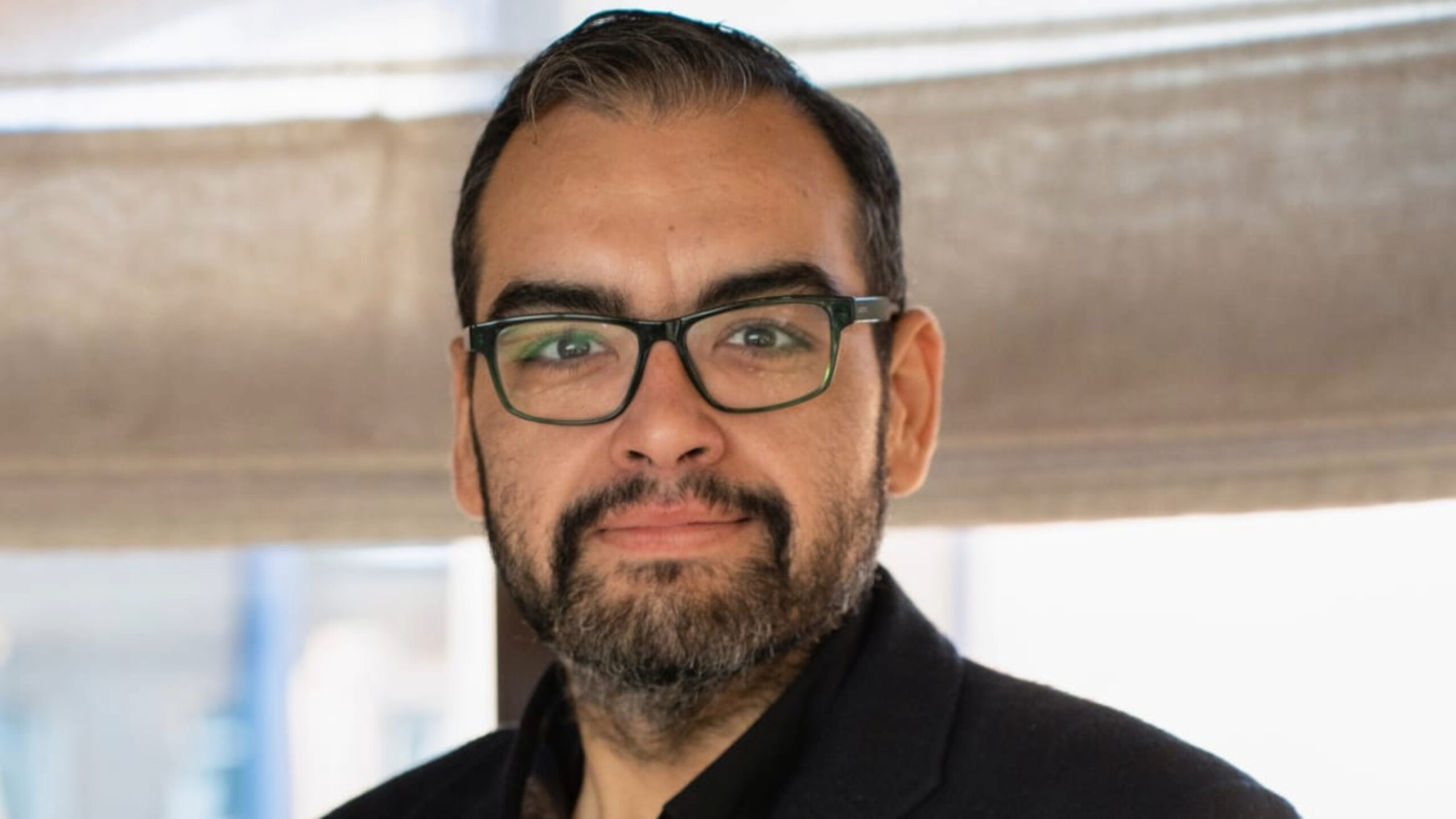
Cities must work for citizens: A conversation on Digital Twins with Dr. Antonio J. Jara
In an era where urban data often gets lost in spreadsheets and complex reports, the SENSE project is building a bridge between technology and the people it serves. We sat down with Dr. Antonio J. Jara, CTO at Libelium and Technical Director of the European Local Digital Twin Toolbox, to discuss how interactive 3D visualization is democratizing urban planning. Jara explains why making data “beautiful” is just as important as making it accurate, and how the SENSE project is fostering a new sense of belonging in cities like Cartagena and Kiel.
3DxVerse: Hi Antonio. Thanks so much for taking the time to speak with us. We are really excited to talk to you. Can you quickly introduce yourself?
Antonio: My name is Antonio Jara. I am the Chief Technical Officer at Libelium and the coordinator of the SENSE project, representing Libelium. I also serve as Technical Director of the European Local Digital Twin Toolbox and am part of the broader European Union initiative on Digital Twins and the CitiVerse.
Within this initiative, we are working to ensure that the different European projects collaborate effectively to create a common toolbox and a shared set of best practices. Our goal is to align these initiatives with OASC and other European frameworks so that cities have a clear and structured pathway to guide their digital transformation.
3DxVerse: If you had to explain the essence of the SENSE project in very simple terms, for example to teenagers without a technical background, how would you describe it?
Antonio: The SENSE project is closely connected to the European Local Digital Twin Toolbox and to geospatial technologies. The main outcome of SENSE is an open-source platform that enables cities to visualize and interact with 3D maps, similar to a city simulator such as Sim City. The purpose is to make complex urban data easier to understand. It is very different to simply read an indicator compared to visualizing traffic flows, people movement, or urban evolution within a 3D environment.
We are working on projecting city maps in 3D and developing use cases related to mobility, tourism, and cultural heritage. SENSE is one of four complementary European projects. Our project focuses specifically on 3D mapping. CU focuses on accessibility, 3DXverse concentrates on logistics and industry, and X-CITE works with Nokia’s augmented reality glasses, with a stronger emphasis on entertainment. Together, these projects complement one another, with SENSE concentrating on interactive 3D city visualization.
3DxVerse: One of the goals mentioned on the website is strengthening neighborhoods and fostering a sense of belonging. What specific activities or interactions within your virtual spaces help create this social connection beyond visual exploration?
Antonio: At the end of the day, cities must work for citizens, and that principle should never be forgotten. Cities such as Cartagena and Kiel are strongly focused on ensuring that urban planning decisions and investments are communicated clearly. For example, when creating a low-emission zone, establishing a green area, or planning new urban investments, it is essential that citizens understand why these decisions are being made.
To support this, we use the Local Digital Twin Toolbox as a foundation to simulate and explore different urban scenarios. The second important aspect is engagement and communication. Traditional reports, indicators, and lengthy documents are often not the most effective way to communicate in today’s fast-paced digital environment. A 3D city map allows complex information to be presented visually, supported by clear data and indicators, making it easier to understand within a short and direct message.
When decisions are justified with solid data and communicated in an accessible way, we believe citizens are more likely to feel comfortable with and supportive of the decisions made by mayors and technical teams.
3DxVerse: How is SENSE ensuring that its virtual worlds are interoperable and aligned with EU data infrastructure, particularly in connection with other sustainable digital twins?
Antonio: This is a crucial point. In Europe, one of the major digital transformation initiatives is the development of data spaces. Data spaces are complex systems for exchanging data, but this complexity exists for a strong reason: they allow trusted and secure data sharing in situations where access would otherwise not be possible. Within SENSE, we have deployed a data space in collaboration with the partner deltaDAO. It is fully aligned with GAIA-X, the OASC Minimum Interoperability Mechanisms, and European smart data models and policies. The platform is publicly accessible at portal.senseverse.eu and welcomes participation.
Today, many types of city data, such as noise, traffic, or air quality, are already publicly available. However, more sensitive data, including utilities information like energy or water consumption or telecommunications data at building level, is typically not accessible due to concerns about privacy and potential misuse. Access to this type of data could unlock many valuable use cases. For example, tourism insights based on consumption data from local stores, mobility analysis using telecommunications movement data, or disaster response scenarios such as identifying how many people are present in a building during flooding events.
At the same time, without proper governance, such data could reveal when homes are unoccupied or expose private patterns of behavior, which could lead to misuse, even in seemingly legal forms such as targeted insurance services. Data spaces are therefore essential to guarantee trust, governance, and proper usage control. They ensure that sensitive data can be shared securely and responsibly. This approach complements broader European initiatives, including the European Local Digital Twin Toolbox, which is working on a European database of buildings.
By combining infrastructure data, building information, and real-time usage data in a secure and interoperable way, cities can develop more impactful and responsible applications. To create meaningful and high-quality use cases, we need access to high-quality data. Trusted data spaces make that possible.
If you want to learn more about the SENSE project visit their website here or follow their LinkedIn page.