

When the sea rises: Making climate change visible in the streets of Kiel
Urban data often lives in inaccessible places, buried in GIS portals, spreadsheets, or technical reports. Thierry Nolmans, urban planner at Drees & Sommer and member of the SENSE consortium, wants to bring it into the open. In this interview, Nolmans explains how SENSE creates digital representations of cities like Cartagena and Kiel, adding interactive layers that reveal what is normally invisible: mobility patterns, environmental quality, and the impacts of climate change. By making data visible and understandable, SENSE aims to turn passive citizens into active participants in urban planning.
3Dxverse: Hi Thierry. Thank you so much for making some time to speak with us. Could you quickly introduce yourself?
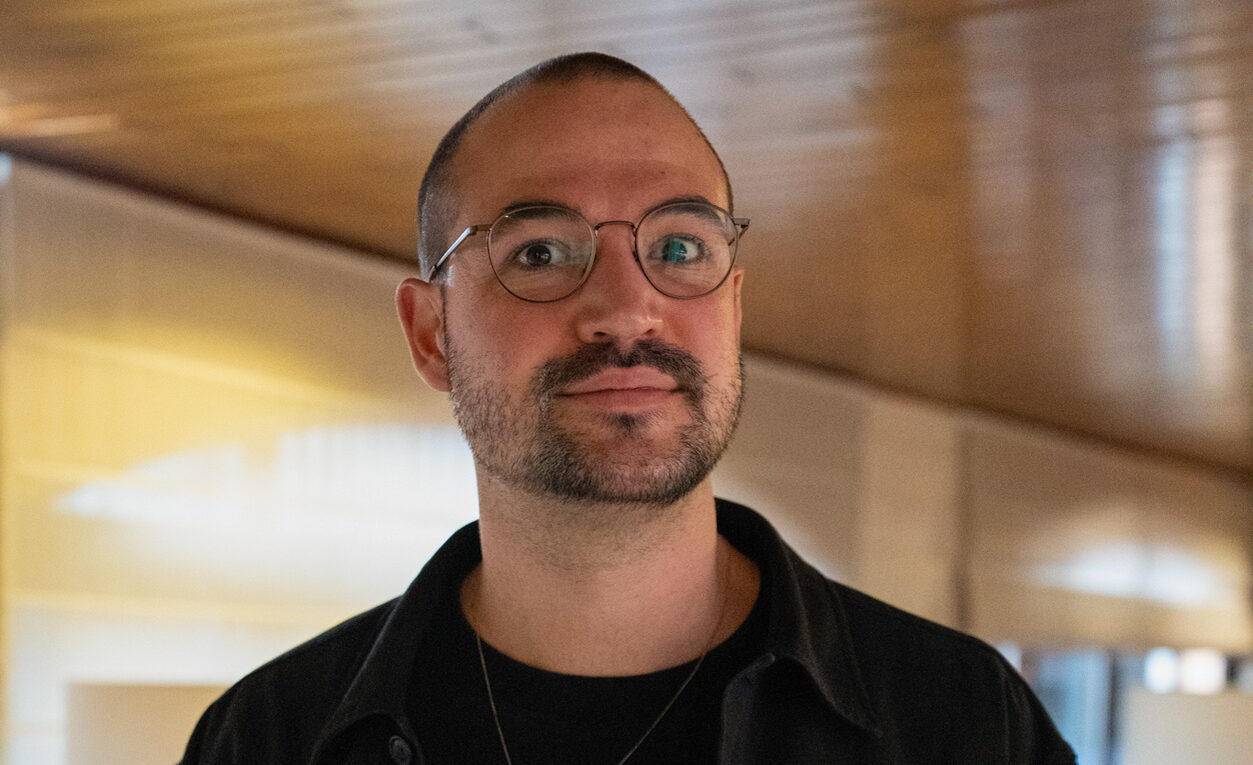
Thierry: My name is Thierry Nolmans. I am an urban planner and consultant at Dress & Sommer, a German-based planning, environmental consultancy, and construction company. I am also part of the consortium of eleven companies that form the SENSE project. SENSE is a European co-funded project focused on digital maturity. Within this project, we are developing a “Citiverse” application for various cities across Europe.
3DxVerse: You have already partly answered this, but if you had to explain the SENSE project to someone without a technical background, how would you describe it?
Thierry: The SENSE project focuses on creating a digital representation of a city, or parts of a city, to make urban dynamics more accessible and understandable for citizens. This digital representation includes interactive data layers that allow users to see aspects of the city that are not visible to the naked eye. We are currently working with two frontrunner cities: Kiel and Cartagena. In Kiel, we are implementing two use cases.
The first addresses sea level rise and climate change impacts, in collaboration with the municipality, the city marketing, and the Zoological Museum Kiel with their initiative “Future Ocean” . The goal is to visualize how climate change affects the coastal city, including impacts on neighborhoods, flooding scenarios, wave dynamics, and historical developments over centuries. By presenting extreme events, such as heavy rainfall that may statistically occur once every 100 years, citizens can better understand how their own homes and neighborhoods might be affected.
This helps make climate change risks more tangible and relevant. The second use case in Kiel focuses on historical heritage. Users can digitally explore the city, click on buildings, and access historical information, including images and stories about former residents, transformations over time, and the influence of different political systems. This adds a cultural and historical layer to the urban experience and highlights how the city has evolved since its foundation.
3DxVerse: One of the goals mentioned on the website is strengthening neighborhoods and fostering a sense of belonging. What specific activities or interactions within the virtual space support social connection beyond simple exploration?
Thierry: In Cartagena, the focus is on mobility and environmental quality. The platform allows citizens to understand which environmental and mobility-related parameters affect their neighborhood. It also provides route suggestions and transport mode recommendations, potentially encouraging people to discover new paths or areas they may not have explored before.
In Kiel, the historical heritage use case also contributes to strengthening the sense of belonging. By learning more about the history of buildings and neighborhoods, residents can develop a deeper connection to their urban environment. Beyond the current four use cases, we are also collaborating with follower cities. In these cases, we assess their specific urban challenges and digital maturity levels. Based on this analysis, we collaboratively develop tailored use cases.
These could include participatory approaches, green and open space management, spatial usage concepts, or even platforms to connect people with shared interests. We therefore invite interested cities to connect with us via LinkedIn, visit our website, or contact us directly.
3DxVerse: The website mentions alignment with EU data infrastructure. How does SENSE ensure interoperability and connection with other data-driven platforms, particularly sustainability-focused digital platforms?
Thierry: As a disclaimer, I am not a data specialist, but I will explain it in simple terms. A key principle of SENSE is open data. The data used in the platform is publicly accessible and does not involve restrictive thresholds. Much of the input data comes from existing municipal GIS portals and publicly available datasets.
Additionally, the infrastructure is aligned with GAIA-X, the European data ecosystem initiative. GAIA-X establishes principles that ensure interoperability, transparency, accessibility, and secure data exchange across platforms.
If you want to learn more about the SENSE project visit their website here or follow their LinkedIn page.